A blog to help the under dogs in Cowlitz County find all the kinds of legal laws, rules, and statues of information in one place to to be successful in their court hearings. This is not a site for legal advice, just a site to research the legal aspects of your rights!
Showing posts with label legal questions. Show all posts
Showing posts with label legal questions. Show all posts
I am questioning whether the proceedings of differed prosecution for Assault 4 DV, are valid under these ordinances and in enforcement of them are in conflict with the Constitution and laws of the United States, necessarily involves the meaning of the ordinances, which, for that purpose, we are required to ascertain and adjudge.
Domestic Violence offenses made up 45.9 percent of all Crimes Against Persons.
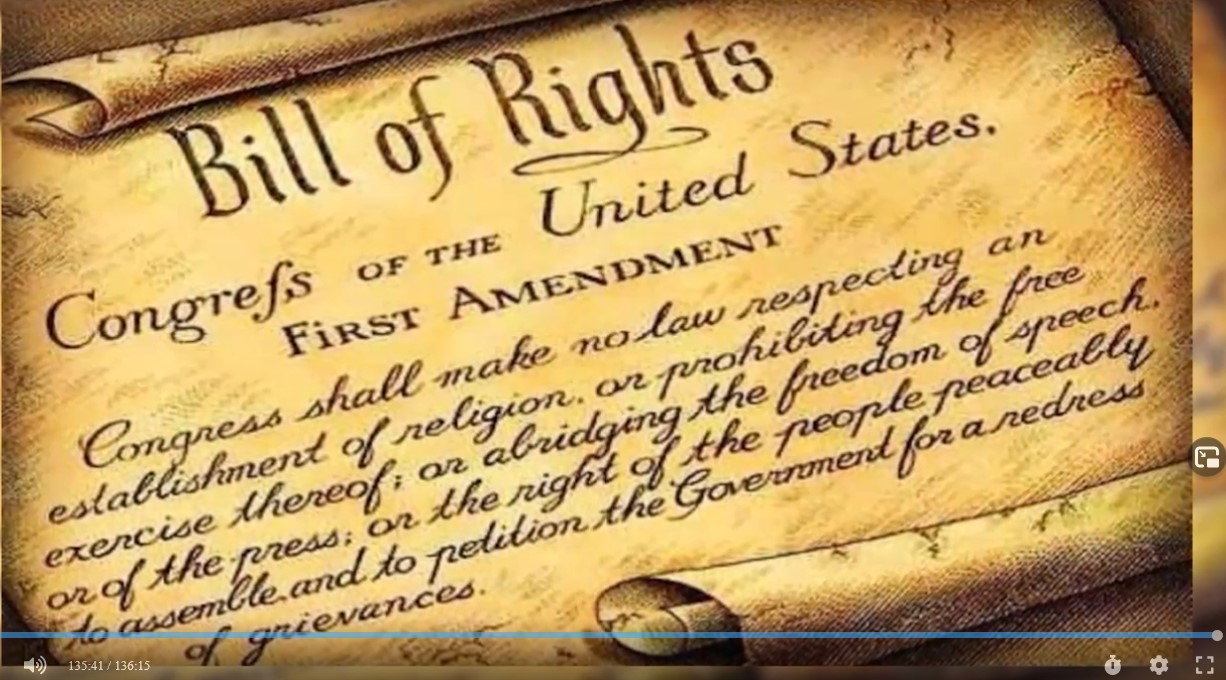
The purpose of the bill of rights sets forth a list of things the government can not take away from us. It is set in stone in the constitution to protect us from the unconstitutional taking of our rights.
The constitution is the most important document in the United States history, (Ammo.com). It is very important
for American Citizens to understand the laws and rights in displays. It contains the Bills of Rights and Amendments
that are pertinent to our Rights as Citizens.
The Constitution sets down the powers on each political part has over rules.
The legislative branch consists Congress and Congress has two chambers-the House of Representatives and Senate, (House.gov).
(Image 1 Cited from Prezi.com).
In order to make the legislative process fair for all states, you have one side of Congress where every state has equal vote. that's the Senate and every state has two seniors.
(Image 3 Cited from rt.com).
On the other hand to keep things fair, states with more people should have a greater vote and that is why we have the house of representatives. The seats in the house of representatives are divided among the states based on population,(Congress.Gov).
Before a law is passed it is called a bill.
(Image 3 Cited from fcnews.com).
A bill can be initiated by either side of Congress, the house or the Senate, but the bill must pass both of them and be sent to the president before it becomes a law, the Constitution defines and outlines the process of all this.
(Imagine 4 Cited nyu.edu).
The Bill of Rights was added on to the Constitution after the original Constitution was conceived.
(Image 5 Cited from Uscourts.gov).
The Bill of Rights is the title given to the first ten amendments of the constitution.
The Us Code is the combination of general and permanent laws of our United States Of American. According to the US Code website, It was established by Congress in 1926. (US CODE). It has 27 of what's called a Positive Law Titles, which are identified with a asterisk.
The US Code is set in Positive and Non Positive Laws. The codes have subdivisions of subtitles,chapters,sub-chapters, parts, sub-parts, and sections. Also sections are also divided into smaller units called sub-sections,paragraphs, sub-paragraphs, clauses, sub-clauses,and items, (US Code).
The difference between Positive and Non Positive Laws are the Positive Laws have been updated and amended since the first actual codification was designed in 1926,and the Non Positive Laws are same as they originally were since 1936. (US CODE.) The non Positive Laws are designed to follow the the underlying acts, (US Code),
For an example Ch. 7 of title 42 sets out the chapter title and parts and sections of the social security act, (US Code).
Furthermore, the sections also include a statutory note, the constitution, federal court rules,and presidential documents, like executive orders, determinations, notices and proclamations related to the statutory provision of the code, (US Code).
The Base law will always be the first acting the source credit and is the code law which the code section is based on. These are only in non Positive Laws because the positive Laws have been changed by Congress, (US CODE).


.png)